

Free Private Well Water Testing Available for Delawareans
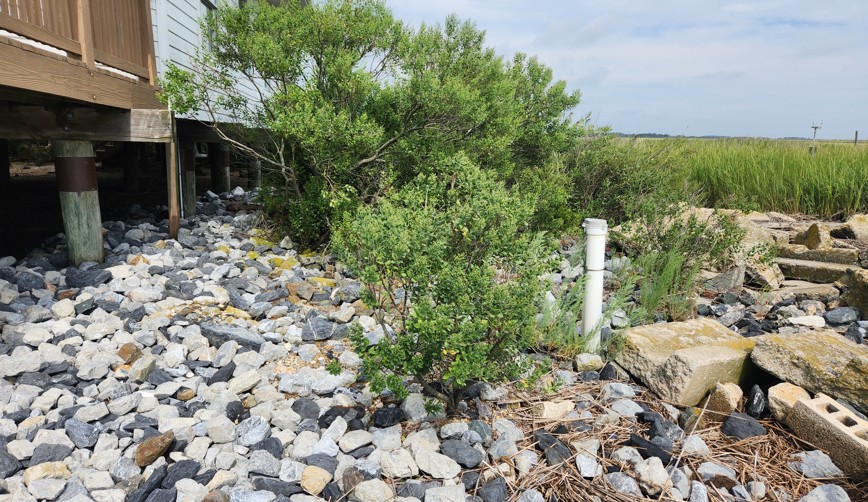
Residents who rely on private wells for drinking water can request free testing for PFAS and other contaminants through a statewide program offered by DNREC and DHSS. /DNREC Photo
Statewide Program Includes Testing for PFAS
Delawareans who rely on private wells for their drinking water can request free testing for per- and polyfluoroalkyl substances, or PFAS, and a range of other contaminants through a statewide program offered by the Delaware Department of Natural Resources and Environmental Control (DNREC) and the Department of Health and Social Services (DHSS).
This free testing is available as part of Delaware’s expanded efforts to identify and address potential contaminants in drinking water. The program also advances a priority identified in Delaware’s 2026 PFAS Implementation Plan to expand access to PFAS testing for private wells across the state.
Unlike public drinking water systems, private wells are not regulated under the federal Safe Drinking Water Act. Therefore, people who rely on private wells are generally responsible for ensuring their drinking water is tested and their well is properly maintained. The statewide program provides Delaware households that use private wells with an opportunity to better understand the quality of the water they use for drinking, cooking and other household purposes.
There is no cost to the resident for sampling or laboratory analysis. After a resident submits the request and consent form, within two weeks, an agency staff member or the state’s sampling contractor will contact the applicant to schedule an appointment.
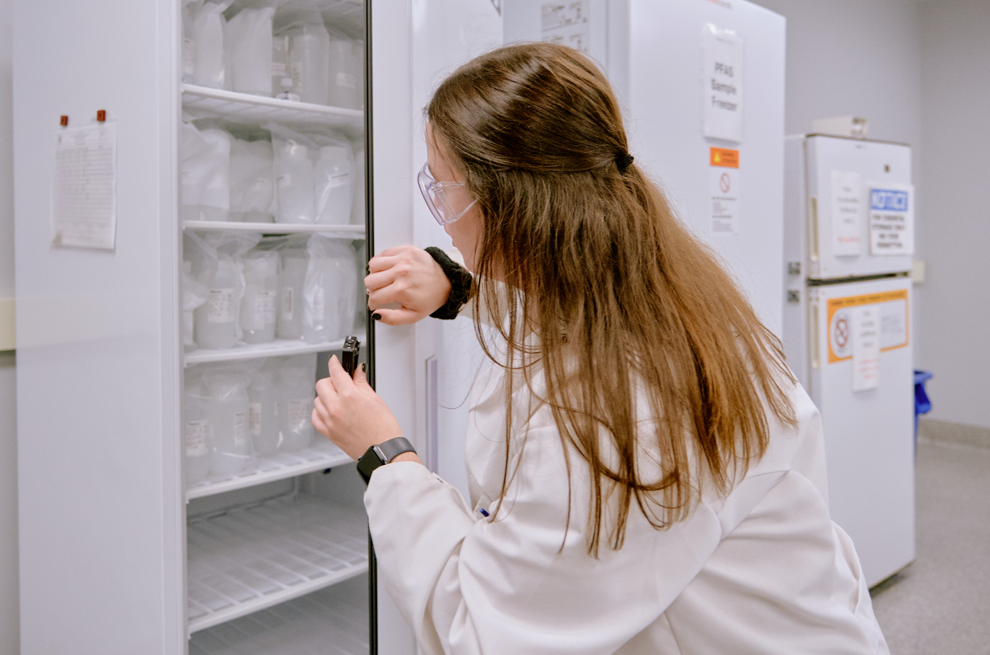
If testing finds a chemical or bacteriological contaminant above a threshold level, a member of the DHSS Division of Public Health (DPH) team or contractor will notify the resident within 24-48 hours and provide information about next steps. DHSS also offers a low-income assistance program for residents who are unable to afford mitigation for a specific contaminant. Upon qualification, low-income households can receive 100% coverage of mitigation device installation and one year of device maintenance. Moderate income households can qualify for up to 50% coverage of mitigation device installation and up to 50% coverage for one year of maintenance.
For certain PFAS detections, DNREC and DHSS may take additional steps to reduce exposure and evaluate longer-term solutions. Delaware has established threshold concentrations for certain PFAS to help determine when treatment may be needed. In most cases, DNREC or DHSS may provide filtration and maintenance at no cost for one year along with technical information to assist the resident.
The private well testing program complements Delaware’s broader PFAS work, which includes sampling groundwater and other environmental media, investigating potential PFAS sources and taking steps to reduce exposure where contamination is found. Information collected through private well sampling may also help DNREC and DHSS identify areas that warrant additional investigation.
Delaware’s PFAS response is supported in part by settlement funding from DuPont, Chemours and Corteva. Much of DNREC’s private well work is also supported by Emerging Contaminants in Small Disadvantaged Communities funding, provided by the U.S. Environmental Protection Agency. The state’s 2026 PFAS Implementation Plan identifies continued drinking water testing, investigations and responses among Delaware’s priorities for addressing PFAS contamination.
Private well owners interested in free testing can complete the Private Well Water Sampling Request and Consent Form and learn more about PFAS in Delaware at de.gov/pfas.
About DNREC
The Delaware Department of Natural Resources and Environmental Control protects and manages the state’s natural resources, protects public health, provides outdoor recreational opportunities and educates Delawareans about the environment. For more information, visit the website and connect with @DelawareDNREC on YouTube, Facebook, Instagram, X or LinkedIn.
Media Contacts:
DNREC: Nikki Lavoie, nikki.lavoie@delaware.gov; Michael Globetti, michael.globetti@delaware.gov
DPH: Kelly Callahan, kelly.callahan@delaware.gov; Sean Dooley, sean.dooley@delaware.gov
###
Legal Disclaimer:
EIN Presswire provides this news content "as is" without warranty of any kind. We do not accept any responsibility or liability for the accuracy, content, images, videos, licenses, completeness, legality, or reliability of the information contained in this article. If you have any complaints or copyright issues related to this article, kindly contact the author above.
